
Discover the 2028 interior design trends featuring earthy neutral colors, terracotta accents, and natural decorative textures. This article explores how warm beige, muted brown, wood grain, marble effects, and linen-inspired finishes create sophisticated and comfortable living spaces. It also introduces practical DIY decoration ideas for kitchens, bedrooms, and living rooms. Featuring akadeco Adhesive wallpaper for textured wall, akadeco Mold proof wall sticker, textured linen foam sticker, and textured faux marble wall sticker designs, the article offers inspiration for homeowners, wholesalers, and retailers seeking coordinated decorative collections that combine modern aesthetics, practical applications, and accessible home improvement solutions.
2028 Interior Design Trends: Earthy Neutrals, Terracotta Colors & Natural Textures
Interior design in 2028 is embracing a more natural, sophisticated, and material-focused approach. Rather than relying on overly decorative elements or strong visual contrasts, modern interiors are increasingly exploring the beauty of natural colors, tactile surfaces, and harmonious material combinations.
The latest design direction highlights three important elements: earthy neutral colors, warm terracotta accents, and natural-looking textures. From creamy beige walls and warm wooden cabinetry to reddish-brown furniture and stone-inspired surfaces, these elements create interiors that feel comfortable, elegant, and timeless.
This trend also reflects a growing interest in materials that provide visual depth and character. Wood grain, marble effects, linen-inspired finishes, and textured decorative surfaces are becoming important choices for consumers who want to refresh their homes without undertaking complicated renovations.
For homeowners, these ideas offer inspiration for creating warm and personalized living spaces. For wholesalers, retailers, and home decoration brands, they provide opportunities to develop coordinated collections across wallpaper, furniture films, wall stickers, and other DIY decoration products.
1. Earthy Neutrals: Creating Warm and Timeless Living Spaces
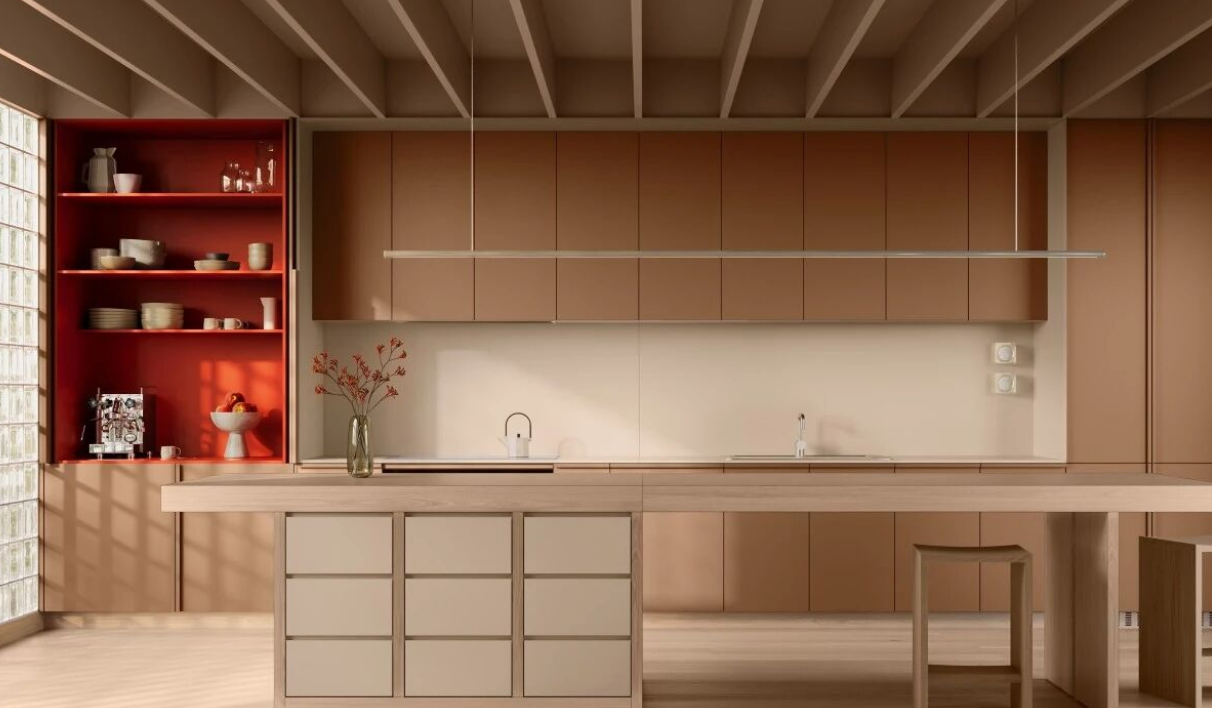
Earthy Neutrals is one of the key color directions for 2028 interior design.
Inspired by natural landscapes, stone, sand, clay, and wood, this palette focuses on soft and understated colors that create a peaceful atmosphere.
The main shades include:
Warm white and creamy ivory.
Sand beige and light taupe.
Soft gray and warm greige.
Natural brown and muted caramel.
Light coffee and earthy khaki.
These colors are particularly suitable for living rooms, bedrooms, kitchens, and open-plan interiors.
One of the advantages of neutral colors is their versatility. They can be combined with different furniture styles, decorative accessories, and architectural elements without making the overall space feel visually crowded.
For example, cream-colored walls paired with natural oak furniture create a relaxed and welcoming environment. Beige cabinetry combined with stone-inspired countertops adds a more refined appearance.
For wall decoration, consumers can choose subtle textured wallpaper instead of completely plain surfaces. A textured linen foam sticker can introduce a soft fabric-inspired appearance, while a light-colored textured faux marble wall sticker can add depth and elegance.
For consumers looking for convenient DIY solutions, akadeco Adhesive wallpaper for textured wall provides an opportunity to introduce decorative patterns and surface effects into neutral interiors.
This style is particularly attractive to consumers who appreciate understated elegance and want their homes to remain visually appealing over time.
2. Terracotta & Rust: Adding Warmth and Character Through Rich Colors
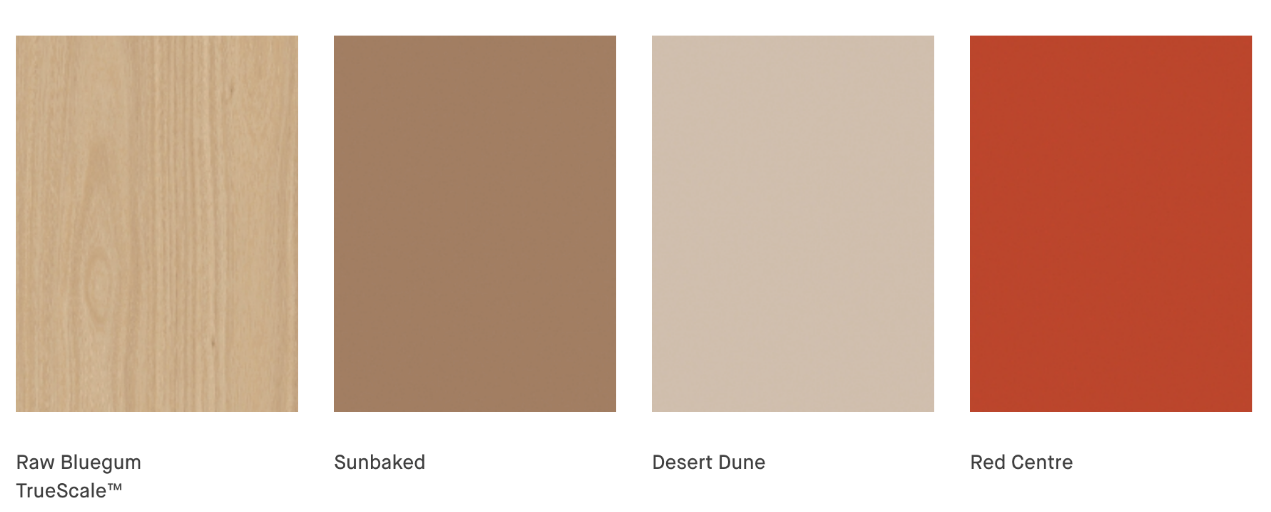
While neutral colors create the foundation, terracotta and rust shades introduce personality and visual contrast.
Inspired by natural clay, burnt earth, autumn leaves, and traditional ceramic materials, these colors bring warmth and depth into modern interiors.
Popular shades include terracotta, burnt orange, rust red, brick red, reddish brown, and deep chocolate.
Rather than using these colors throughout an entire room, designers can introduce them through selected furniture pieces, kitchen cabinets, decorative wall panels, shelves, and accessories.
For example, a terracotta kitchen island can become a focal point against warm beige cabinetry. A reddish-brown storage cabinet can also create an interesting contrast with cream walls and natural wood flooring.
This combination of warm neutrals and stronger accent colors creates a balanced interior that feels both contemporary and inviting.
For DIY decoration, consumers can use solid-color self-adhesive wallpaper or decorative furniture films to refresh selected surfaces.
A reddish-brown furniture film can transform an ordinary cabinet, while a coordinated stone-inspired wall finish can create a more complete decorative appearance.
akadeco Adhesive wallpaper for textured wall can also be developed in warm earthy shades, allowing consumers to coordinate wall decoration with existing furniture and flooring.
For retailers, terracotta and rust colors offer an opportunity to introduce more distinctive designs into traditionally neutral wallpaper and furniture decoration collections.
3. Natural Textures: The Beauty of Wood, Stone and Linen
Natural textures are another important element of the 2028 interior design direction.
Modern consumers are increasingly interested in decorative surfaces that visually reproduce the appearance of natural materials. These surfaces add depth and visual richness while maintaining a practical and accessible approach to home improvement.
Three material directions are particularly relevant.
Wood Grain
Natural wood textures bring warmth and a sense of comfort into interiors. Light oak, walnut, warm brown, and muted wood finishes can be used on cabinets, furniture, shelves, and decorative wall areas.
Wood grain furniture films provide a convenient option for consumers who want to refresh existing furniture without replacing it.
Stone and Marble
Stone-inspired surfaces create a sophisticated and architectural appearance. Beige marble, travertine-inspired patterns, warm limestone effects, and subtle natural stone textures work particularly well with earthy neutral interiors.
A textured faux marble wall sticker can introduce the appearance of natural stone into selected interior areas. A matching textured faux marble decal can also be applied to furniture, cabinets, and tabletops to create a coordinated design.
Linen and Soft Textures
Linen-inspired finishes add softness and visual warmth. They are especially suitable for bedrooms, living rooms, and spaces where a comfortable atmosphere is important.
A textured linen foam sticker can provide a fabric-inspired decorative effect while introducing another surface option into DIY wall decoration collections.
For brands and retailers, combining these three material directions can create a versatile range of decorative products suitable for different consumer preferences.
4. Modern Kitchens: Combining Warm Wood, Neutral Colors and Terracotta Details
The kitchen is one of the spaces where the 2028 material and color trends can be particularly effective.
Modern kitchens are moving beyond completely white and highly glossy appearances. Warm beige cabinets, natural wood textures, matte surfaces, and stone-inspired finishes create a more welcoming and sophisticated environment.
A popular combination is warm beige cabinetry with natural wood grain details and subtle stone-effect surfaces.
For consumers who prefer stronger visual character, terracotta or reddish-brown cabinet fronts can introduce an attractive accent.
These design elements can also be achieved through furniture decoration films and self-adhesive decorative materials.
For example:
Wood grain films can refresh cabinet doors and storage units.
Marble-effect films can update countertops and furniture surfaces where suitable.
Solid-color films can introduce terracotta, taupe, or warm beige accents.
Textured wall stickers can create decorative feature areas.
akadeco Mold proof wall sticker products can also be considered for suitable kitchen applications where moisture-related performance is important. The selected product should meet the actual environmental and installation requirements.
Similarly, akadeco textured mold proof wallpaper can provide another decorative option for customers seeking suitable wall finishes with additional functional characteristics.
For consumers, the advantage of these DIY materials is the opportunity to update selected kitchen surfaces without replacing the entire interior.
5. Architectural Minimalism: Simple Lines and Textured Surfaces
Another important characteristic of the 2028 interior direction is architectural minimalism.
This style focuses on simple forms, clean lines, integrated storage, and carefully selected materials.
Instead of relying on numerous decorative accessories, the design allows architectural details and surface finishes to create visual interest.
Wooden ceilings, built-in cabinets, large stone-inspired surfaces, and continuous wall finishes are examples of how materials can define a space.
Color coordination is also important. Warm beige, muted brown, natural wood, and subtle terracotta accents create a harmonious environment.
For smaller homes, this approach can make interiors feel more organized and visually spacious.
Decorative wallpaper and self-adhesive films can help consumers introduce similar effects without extensive construction work.
For example, a textured linen foam sticker can add subtle visual depth to a plain wall, while a textured faux marble wall sticker can create a more refined accent area.
The combination of simple forms and interesting textures is a practical direction for developing modern DIY home decoration products.
6. Functional Wall Decoration: Combining Appearance with Everyday Practicality
As consumers pay more attention to both appearance and functionality, decorative wall products need to address different application requirements.
A beautiful design is important, but consumers also want materials that are suitable for their intended spaces and easy to maintain.
For example, bedrooms and living rooms may prioritize appearance, color coordination, and surface texture. Kitchens and bathrooms may require additional consideration of moisture exposure, ventilation, and installation conditions.
akadeco Mold proof wall sticker can be positioned as a decorative option for applications where verified moisture-related performance is required.
For customers interested in natural-looking surfaces, akadeco Adhesive wallpaper for textured wall can provide additional design choices through linen, stone, wood, and other decorative patterns.
A textured faux marble decal can also extend the appearance of a coordinated wall decoration design to smaller furniture surfaces.
When selecting products, retailers should communicate the actual technical specifications, surface requirements, and recommended installation environments clearly. Functional claims such as mold resistance and waterproof performance should be supported by relevant product testing.
7. Retail Opportunities: Developing a 2028 Natural Material Decoration Collection
For wholesalers, DIY stores, building-material supermarkets, and home decoration retailers, these trends create opportunities to develop coordinated product collections.
Instead of introducing individual products without a common design direction, retailers can organize their selections around colors and materials.
Earthy Neutral Collection
Cream and beige self-adhesive wallpaper.
Linen-inspired foam wall stickers.
Light stone and marble-effect films.
Natural oak and wood grain furniture films.
Terracotta & Rust Collection
Terracotta solid-color wallpaper.
Brick-red decorative wall stickers.
Reddish-brown furniture films.
Warm stone-inspired decorative surfaces.
Natural Texture Collection
Textured linen foam sticker designs.
Textured faux marble wall sticker patterns.
Wood grain decorative films.
Stone-inspired self-adhesive wall decoration.
A consistent color palette across different product categories can help create a recognizable retail collection.
Packaging should also communicate the product's texture, color, dimensions, and application. Lifestyle images showing coordinated kitchens, living rooms, and furniture surfaces can help customers understand how the products work in real environments.
For wholesalers, developing a trend-based collection makes it easier to test new designs, expand existing product categories, and offer differentiated products to retail customers.
Conclusion: Natural Materials and Warm Colors Define the 2028 Interior Direction
The 2028 interior design direction celebrates the beauty of natural materials, warm earthy colors, and carefully selected decorative textures.
Earthy Neutrals creates a comfortable foundation. Terracotta and Rust introduce warmth and personality. Natural Textures bring visual depth through wood, stone, marble, and linen-inspired surfaces.
Together, these elements create a versatile design language that can be applied across living rooms, kitchens, bedrooms, and other everyday spaces.
For consumers, self-adhesive wallpaper, furniture films, and decorative wall stickers offer accessible ways to recreate these looks through DIY projects.
For wholesalers and retailers, these trends provide opportunities to develop coordinated collections that combine attractive designs, practical applications, and different price points.
With the right combination of colors, textures, and decorative materials, 2028 offers exciting possibilities for modern home decoration and DIY renovation.
Tel: 0086-13617480138
Address: Room 301-06, Haotian Building, No.418, Bayi Road, Furong District, Changsha, Hunan, China.


